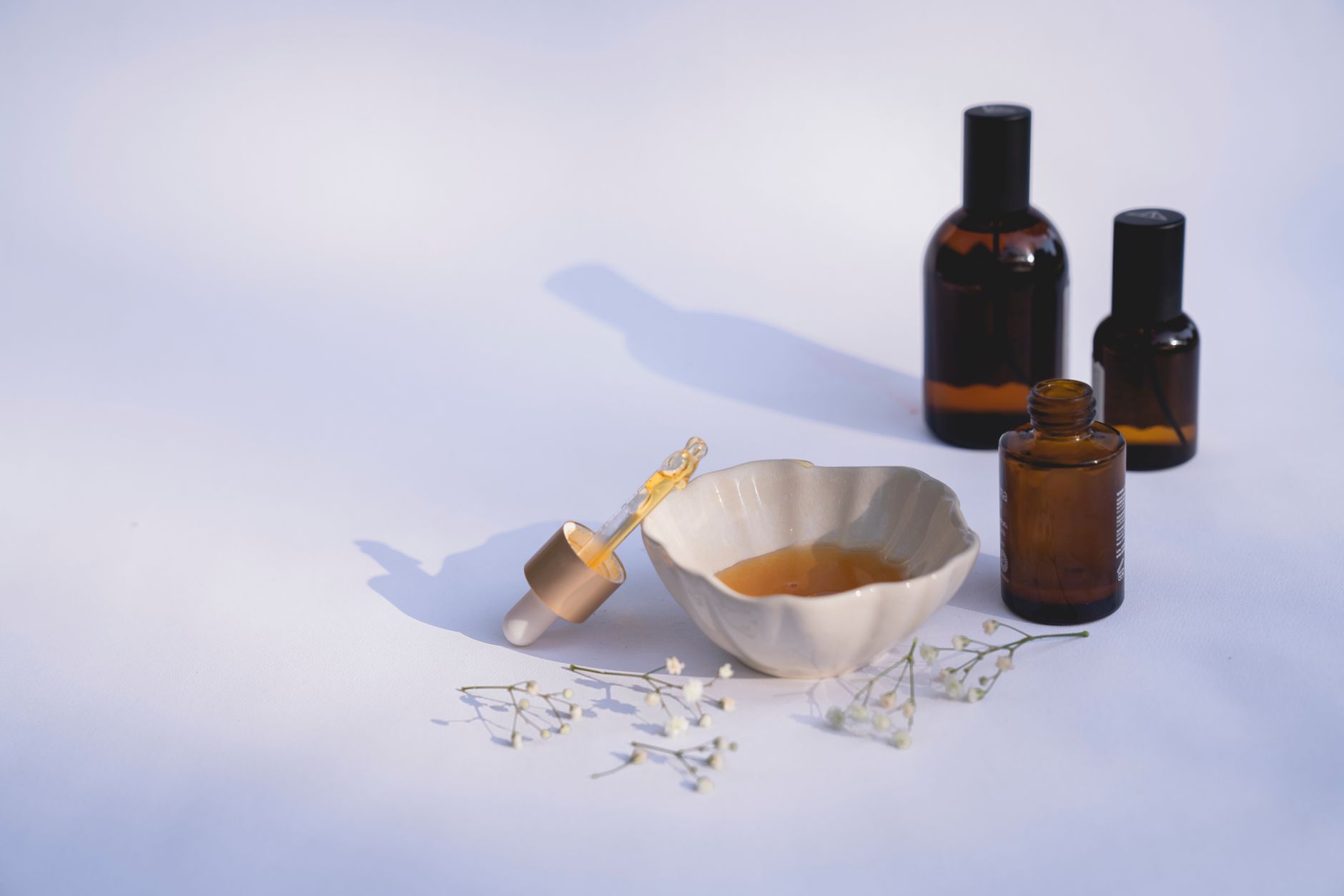
For cosmetics manufacturers and brand owners, argan oil is often positioned as a premium botanical ingredient. It carries strong consumer recognition and supports a wide range of skin and hair care claims. A recent report, however, suggests that some products labelled as argan oil may not contain any argan oil at all. This makes argan oil adulteration a pressing supply chain and compliance issue for EU and UK cosmetics businesses.
According to a report published by Cosmetics Business, The Soapery tested argan oil samples from leading online retailers. The results were striking. In 2023, six samples were tested. None contained argan oil. Two years later, five more samples were retested. Once again, all samples contained no argan oil.
What The Soapery’s testing revealed about argan oil adulteration
The Soapery is an independent UK-based supplier of natural cosmetic ingredients. Its testing focused on argan oil sold through major online retail channels. That is significant because many small and mid-sized brands buy from the same retail sources or from distributors with similar supply chains.
In the first round of testing in 2023, six argan oil samples were analysed. All six failed to contain argan oil. The follow-up retest two years later covered five samples from leading retailers. The outcome was identical. This repeated pattern suggests that argan oil adulteration is not a rare one-off event affecting a single batch.
Andy Knowles, Director of The Soapery, explained why the ingredient is vulnerable. “Argan oil is a prime target for adulteration because genuine argan is very expensive,” he said. The report notes that some producers make blends designed to resemble argan oil but do not disclose the ingredients list to their buyers.
What was inside the bottles instead of argan oil?
The tested samples were either blends of sunflower, palm and soybean oil or entirely sunflower oil. These are commodity oils with a much lower cost than genuine argan oil. Visually, they may appear similar enough to pass a basic inspection, but their composition, performance and fatty acid profile are not the same.
For a cosmetic brand, the implications go beyond the immediate cost difference. A product made with an undisclosed substitute may not deliver the benefits that the brand advertises. The source report also highlights that, for consumers with sensitive skin, adulterated oils may increase the risk of adverse reactions.
This is why argan oil adulteration cannot be treated as a minor quality issue. It links directly to product safety, label accuracy and the integrity of the technical documentation that EU and UK cosmetics rules require.
Why argan oil adulteration is a regulatory and commercial risk
In the EU and UK, a cosmetic product placed on the market must be safe and properly documented. If a raw material labelled as argan oil is actually sunflower, palm or soybean oil, the product information file and cosmetic product safety report may no longer describe the true formulation. That creates a significant compliance gap.
Even if the substituted oil does not make the final product unsafe, it can still undermine the safety assessment. The safety assessor may have reviewed data for genuine argan oil, while the manufactured product contains a different oil blend. This mismatch can weaken traceability and make it harder to demonstrate that the product matches the assessed formula.
Argan oil adulteration also creates claims risk. Many brands market argan oil for its nourishing, smoothing or antioxidant associations. If the actual formulation contains a commodity oil blend, those claims may not be substantiated. This exposes the brand to regulatory challenge and consumer trust damage.
The commercial risk is equally important. Paying for pure argan oil and receiving sunflower oil erodes margins and can compromise product quality. The Soapery’s director noted that some argan oil is sold at a price that would not even cover the cost of argan nuts in Morocco. That should be an immediate warning sign for buyers.
For importers and responsible persons, the issue is particularly acute because they may not have direct access to the original producer. They rely on documentation provided by intermediaries. If that documentation is inaccurate, the responsible person may still be accountable for the finished product. Supplier assurance and independent verification therefore become essential control points.
How to reduce the risk of argan oil adulteration
The report sets out clear starting questions for buyers. The first is whether the supplier can provide full traceability for the argan oil. Without traceability, a supplier cannot know where the oil came from or what it is actually made of. The second is whether the supplier has carried out its own analysis rather than relying only on producer assurances.
These questions apply to brand owners, importers, responsible persons and contract manufacturers. If a business cannot answer them, it may be relying on a chain of undocumented claims that can collapse under scrutiny.
Argan oil adulteration: supplier questions to ask
- Can the supplier provide batch-level traceability back to the country of origin?
- Has the supplier performed independent analytical testing on the oil?
- Does the supplier disclose the botanical composition of any blends?
- Can the supplier provide documentation suitable for a cosmetic product information file?
- Is the purchase price realistic for genuine argan oil?
Price is a useful early warning signal. If argan oil is offered at a price that appears too low to cover raw argan nuts and production, it should trigger deeper verification before the material is accepted.
Practical EU and UK compliance steps for cosmetic brands
Brands should treat argan oil as a high-risk botanical ingredient and build verification into supplier qualification. That includes clear raw material specifications, documentary review and independent analytical testing where appropriate. A supplier audit should confirm that the material delivered matches the material described in the product information file.
Batch-level documentation should include the botanical name, country of origin, extraction method and any blending or refining steps. If the supplier cannot confirm these details, the material should be quarantined until it can be tested. It is often more efficient to reject an undocumented batch than to manage the compliance consequences later.
If a product has already been manufactured using a suspect argan oil, the responsible person should review whether the safety assessment and technical documentation reflect the actual composition. Engaging cosmetic testing services can help identify what is actually in the material and whether the finished product remains compliant.
It may also be prudent to review supplier contracts and quality agreements. Clear contractual requirements for botanical identity, purity, traceability and disclosure of blends reduce the risk of undocumented substitution. For broader support, EU and UK cosmetic compliance services can help brands align raw material controls with regulatory expectations.
What cosmetic businesses should monitor next
The Soapery’s results involve a small number of samples, but the pattern is consistent. Argan oil adulteration was detected in 2023 and again two years later. Businesses should not assume the issue has disappeared. Instead, they should monitor supplier documentation, analytical results and any further independent retail testing published by ingredient suppliers.
The source article also points to similar purity concerns for other high-value oils, including grapeseed oil and almond oil. Brands that use a portfolio of premium botanical oils should apply the same verification principles to every material. A single weak raw material can create the same documentation and safety risks.
Brands should also watch for new testing campaigns from The Soapery and other independent suppliers. These reports can provide useful market intelligence, but they do not replace a brand’s own verification. The objective is to build a defensible position that you have taken reasonable steps to confirm the identity of your raw materials.
Regulatory expectations around traceability and product information are not static. Even without a specific regulatory change, evidence of widespread adulteration can influence how enforcement authorities and safety assessors evaluate due diligence. A business that can show supplier verification and analytical testing will be better positioned to respond.
Argan oil adulteration demands supplier verification, documentation and independent testing at every stage of sourcing.