
How the ASA Ruling Affects UV Protection Claims in Skincare
The Advertising Standards Authority (ASA) has recently issued a ruling on UV protection claims in anti-aging serums, a decision that significantly impacts how brands can promote their products. With regulatory bodies tightening their stance on misleading or unsubstantiated claims, cosmetic companies must be more careful than ever when marketing products with UV-related benefits.
For skincare brands, this ruling means stricter guidelines on how UV protection claims are presented. Failure to comply could result in advertising bans, fines, and reputational damage. Understanding these new restrictions is essential for ensuring regulatory compliance and maintaining consumer trust.
What Does the ASA Ruling Say About UV Claims?
The ASA ruling primarily addresses how brands communicate UV protection benefits in anti-aging serums and similar products. Many serums include antioxidants, botanical extracts, and other ingredients that claim to protect against UV-induced skin aging, but the ASA has emphasized that these claims must be backed by robust scientific evidence.
If a brand suggests that a product offers UV protection, but it does not contain an approved SPF-rated sunscreen, the claim may be considered misleading. The ruling aims to ensure that consumers are not falsely led to believe that their serum provides the same level of UV defense as regulated sunscreens.
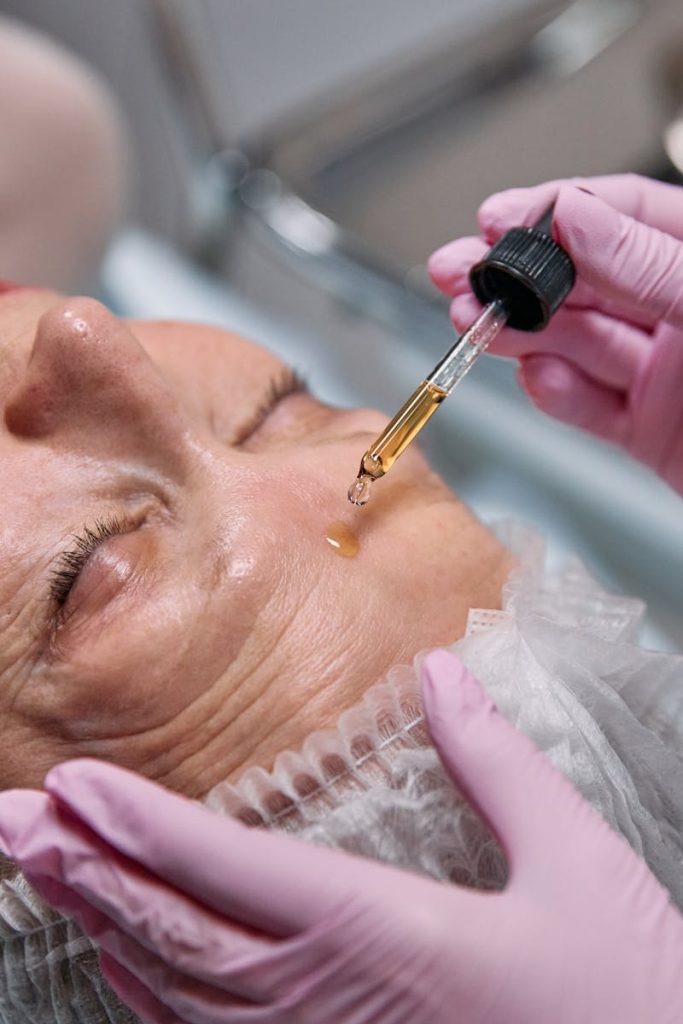
Why Is This Ruling Important for Skincare Brands?
For brands selling anti-aging serums, the ruling is a wake-up call to review marketing materials, product labels, and advertisements to ensure compliance with ASA standards. Misleading claims about UV protection can erode consumer trust and lead to regulatory action.
To stay compliant, brands should:
- Avoid unverified UV protection claims unless supported by scientific studies.
- Ensure that SPF claims are only used for products containing regulated sunscreen filters.
- Clarify the difference between antioxidant protection and UV protection to avoid misleading consumers.
Expert Tip: If your anti-aging serum contains antioxidants, focus on the skin-repairing benefits rather than implying direct UV protection unless backed by solid research.
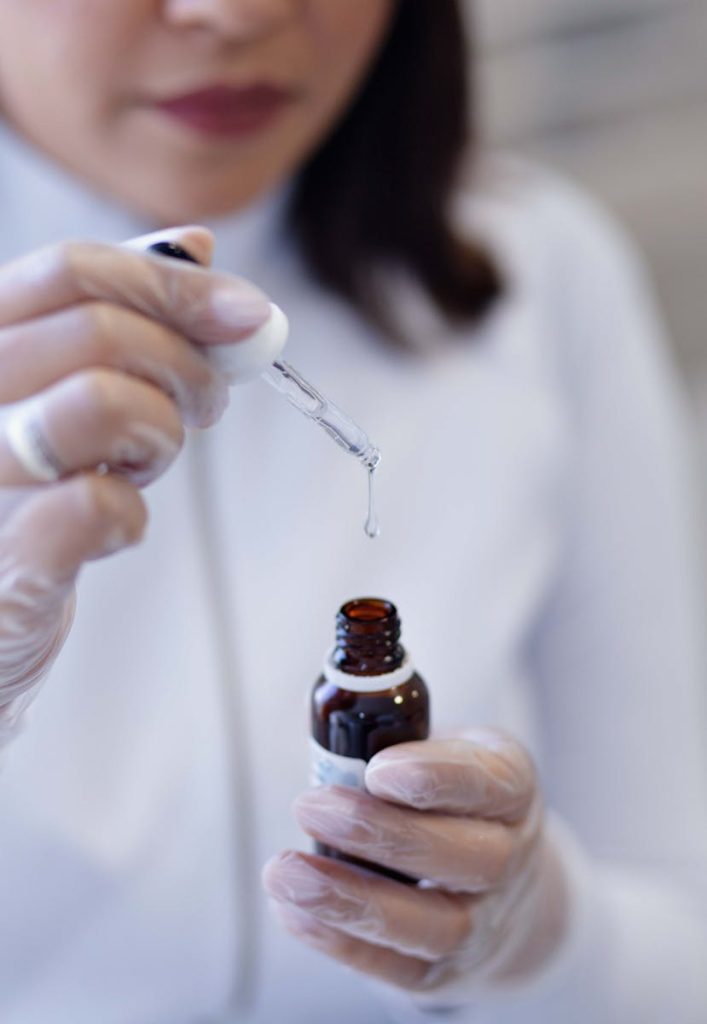
What Steps Should Skincare Brands Take Now?
To avoid issues with advertising regulators, skincare brands must immediately review their product claims and marketing materials. The best approach is to:
- Conduct a compliance audit to ensure all UV protection claims are backed by scientific evidence.
- Update product descriptions to reflect accurate benefits without misleading consumers.
- Train marketing teams on the new regulatory landscape to prevent future compliance risks.
External Sources for Further Reading
For official regulations and expert insights on cosmetic advertising standards and UV protection claims, refer to the following authoritative sources:
Advertising Standards Authority (ASA) – Official Ruling on UV Protection Claims visit Home – ASA | CAP
UK Government – Cosmetic Advertising Guidelines visit Regulation 2009/1223 and the Cosmetic Products Enforcement Regulations 2013: Great Britain – GOV.UK
Cosmetic, Toiletry & Perfumery Association (CTPA) – Guidelines on Sunscreen & UV Claims visit Claims Focus – Sunscreen Claims
Final Thoughts: Avoid Regulatory Pitfalls in Your Skincare Marketing
With the ASA ruling on UV claims in anti-aging serums, brands must take extra precautions to ensure truthful, evidence-based marketing. Making exaggerated or misleading statements can result in advertising bans, legal repercussions, and loss of consumer trust.
By focusing on scientific accuracy, transparency, and compliance, brands can continue to market their products effectively while staying within regulatory boundaries.