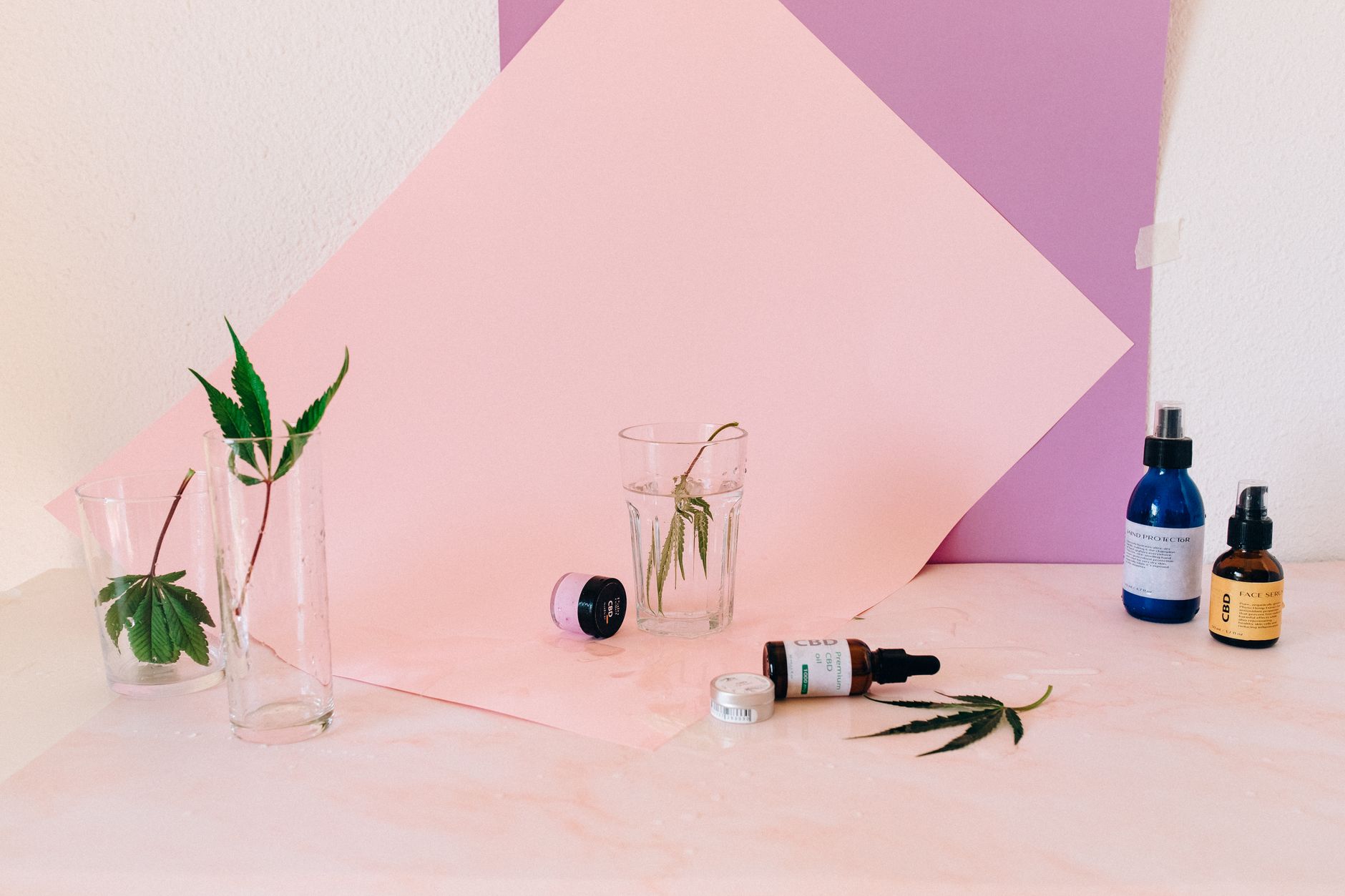
The CBD beauty market decline has become a defining example of how quickly an ingredient-led category can cool. During the late 2010s, CBD-powered beauty products moved from niche positioning to mainstream buzz, with brands across the world infusing the ingredient to calm inflammation, boost moisture and soothe irritated skin. According to Cosmetics Business coverage of what happened to CBD beauty, the subcategory has since fallen from its high point, with several brands pivoting away from CBD because of rules, regulations and dimming consumer interest.
For cosmetics manufacturers, brand owners, importers and responsible persons, this shift raises important questions. It is not simply a story about consumer preference. It also touches on claim substantiation, regulatory positioning and the need to align product development with finished-product evidence.
In its expert discussion, Cosmetics Business drew on views from formulation, product marketing and legal and regulatory specialists. That combination is significant because it treats the slowdown as both a scientific and a commercial problem.
From cultural high to category slowdown
In the late 2010s, CBD beauty became a buzzword. Brands across the world competed to launch products containing cannabidiol, often promoting benefits such as reduced inflammation, improved moisture and calmer, less irritated skin. The commercial energy was substantial.
Today, the picture is different. The subcategory as a whole has cooled, even though some CBD-focused skin care brands still find success. Cosmetics Business reports that burnout from a number of angles has slowed the subcategory, and that several brands have moved away from the ingredient.
This does not mean CBD has disappeared from cosmetics entirely. It means the category has lost the momentum it once had, and businesses are now reassessing whether the ingredient adds enough value to justify the regulatory and commercial complexity.
What is driving the CBD beauty market decline?
The source points to a combination of regulatory pressure, weak finished-product clinical support and fading consumer engagement. This is not a single-cause story. Each factor reinforced the others, making it harder for brands to sustain a premium CBD positioning.
An evidence gap at the centre of the slowdown
Sylwia Pawlaczyk, COO and Master Formulator at AV Laboratories, explains that CBD was not an ingredient created purely by marketing. There is genuine biological rationale for investigating it in skin, and preclinical research has shown effects on inflammatory signalling, oxidative stress and sebaceous gland biology.
One well-known study demonstrated sebostatic and anti-inflammatory activity in human sebocytes and skin organ culture. However, the commercial story developed much faster than the clinical evidence. That gap became a major vulnerability.
“The key question is not whether a CBD product works, but whether CBD adds a measurable benefit.”
Pawlaczyk says CBD lost momentum because the expectations placed on it became considerably larger than what finished-product clinical evidence could support. In well-controlled clinical trials, the evidence becomes much thinner. The source also refers to a recent systematic review and meta-analysis of cannabinoid interventions in dermatology, reinforcing that controlled evidence remains limited.
A cultural moment that outpaced the clinic
CBD also arrived at an unusually favourable cultural moment. Cannabis liberalisation intersected with growth in wellness, natural beauty and the idea of “calming” the skin. That created a lifestyle narrative far bigger than most cosmetic ingredients.
But that narrative carried risk. When a marketing story moves faster than clinical data, the category becomes exposed once regulators, retailers and customers begin asking for proof. The CBD beauty market decline is partly a correction of that mismatch.
How the evidence gap affects cosmetics businesses
For brands, the key issue is not whether CBD has biological activity. The issue is whether a specific finished product adds a measurable benefit that can be communicated honestly and legally.
Preclinical data on sebostatic activity and inflammatory signalling may be mechanistically compelling. The source also notes that emerging human research suggests potential in areas such as itch and protection against UV-A-induced oxidative damage and DNA damage. However, these signals do not automatically translate into finished-product claim support.
This gap has commercial consequences. A brand that cannot substantiate a CBD product benefit may face regulatory challenge, retailer pushback or consumer scepticism. It also becomes harder to justify a premium positioning or a dedicated CBD sub-brand.
The source makes clear that the problem was not a lack of biological interest. It was that expectation ran ahead of evidence. For companies still reviewing their portfolios, the CBD beauty market decline offers a clear reminder: ingredient promise is not the same as finished-product proof.
Regulatory and compliance considerations for EU and UK businesses
The source identifies rules and regulations as one of the factors behind the CBD beauty market decline. It does not point to a single legislative change. Instead, it describes an environment in which regulatory complexity, combined with weak demand, has encouraged some brands to move away from the ingredient.
For responsible persons and safety assessors, this should trigger a careful review of how CBD-containing products are classified, documented and marketed. Businesses should not assume that an ingredient-led story is enough to satisfy regulators or retailers.
Working with EU and UK cosmetic compliance services can help teams check whether their product files, safety assessments and claims align with the applicable framework. The source does not provide a detailed regulatory analysis, but its emphasis on rules and regulations highlights why compliance should be part of any CBD portfolio review.
A compliance-first response to the CBD beauty market decline
A compliance-first approach means comparing the product’s actual evidence base with the claims made on pack, online and in marketing materials. If the evidence is thinner than the story, the claim should be revised, removed or reformulated.
It also means confirming that the correct responsible person arrangements are in place for each market. Specialist responsible person services can help ensure that responsibilities and documentation are handled appropriately for the EU and UK.
Where clinical evidence is missing, cosmetic testing services can help identify what additional data may be needed before marketing claims are finalised. This is especially relevant for claims around soothing, calming or anti-inflammatory effects.
Practical checks for manufacturers, importers and responsible persons
Businesses reviewing a CBD product or range should ask a focused set of questions. These checks connect the source’s evidence-related warnings with day-to-day cosmetics compliance.
- Review finished-product data: Confirm whether the specific formula, not only the ingredient, has adequate support for each claim.
- Audit marketing language: Remove or soften “calming”, “soothing” or “anti-inflammatory” claims unless there is robust finished-product evidence.
- Check product classification: Ensure the product is correctly classified under the relevant EU and UK rules.
- Reassess positioning: If the clinical story is weaker than the wellness narrative, consider repositioning the product around other substantiated benefits.
- Verify responsible person and product information files: Confirm that documentation is complete, accessible and current for each market.
- Engage testing and compliance partners: Use specialist support to close evidence or documentation gaps before launch or continuation.
These actions are not just defensive. They can help a brand decide whether a CBD product should be relaunched, reformulated or quietly retired. That clarity is valuable when the wider category is still correcting from its earlier hype.
What businesses should monitor next
The source does not predict a rebound, but it leaves room for the possibility that interest could be resparked. The key is to monitor evidence and regulatory signals rather than chase the original hype.
Businesses should watch for new human data in dermatology. The source notes that emerging human research suggests potential in areas such as itch and protection against UV-A-induced oxidative damage and DNA damage. If those findings strengthen, they could support more specific claims in the future.
Teams should also monitor systematic reviews and meta-analyses. These publications can help separate ingredient-level promise from finished-product evidence, which was a central issue in the slowdown.
Finally, monitor the regulatory environment in the EU and UK. The source points to rules and regulations as a factor in the decline, so any clarity or change in that area could affect how brands evaluate CBD products.
Conclusion
The CBD beauty market decline was not caused by a single event. It was the result of a commercial story that moved faster than clinical evidence, combined with regulatory pressure and weakening consumer interest. For cosmetics businesses, the lesson is to focus on measurable finished-product benefits and compliance before relaunching CBD beauty products.
CBD beauty’s slowdown reflects an evidence and regulatory gap, not simply consumer rejection; review claims before relaunching.