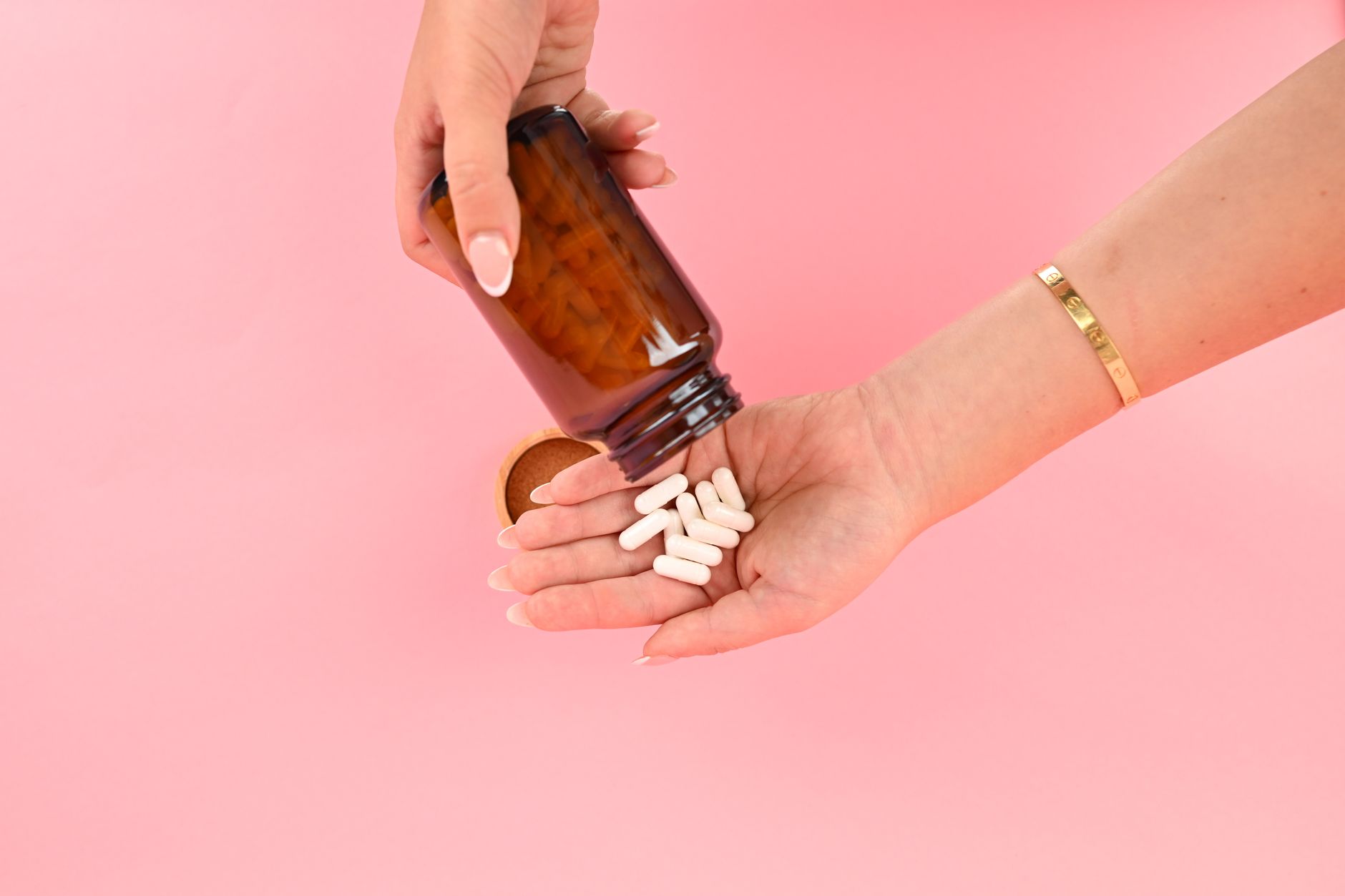
The conversation in beauty is shifting from quick fixes to long-term structural health. Collagen peptides for skin longevity sit at the centre of that shift because they connect internal nutrition with visible skin recovery. For cosmetics manufacturers, brand owners, importers and responsible persons, this evolution creates both product development opportunities and clear evidence obligations.
Why collagen peptides for skin longevity are reshaping beauty-from-within
For years, skin care marketing leaned heavily on anti-aging language and fast solutions for fine lines and wrinkles. The new emphasis is different: sustained skin longevity built on cellular and structural health. A Cosmetics Business feature on skin longevity and women’s health describes this as a move away from quick, reactive fixes.
This matters commercially because consumers are now asking for products that support skin over time. Beauty-from-within formats such as drinks, powders, gummies and capsules are becoming a practical way to deliver that promise. But the shift also means brands must be more disciplined about how they describe the relationship between an ingredient, its clinical evidence and the final product.
For regulatory teams, the growing interest in collagen peptides for skin longevity reinforces the need to treat beauty-from-within claims as part of a wider compliance strategy rather than a simple marketing refresh.
What the clinical evidence shows
Structural decline beneath the surface
Skin longevity depends heavily on dermal integrity. The source reports that collagen forms approximately 80% of the skin’s dry weight, supporting firmness, elasticity and hydration. Natural collagen production falls by about 1% each year from early adulthood.
During menopause, the decline accelerates sharply. The source highlights a 30% drop in dermal collagen within five years. This is why menopausal and post-menopausal women are such a relevant audience for beauty-from-within products.
Topical creams have limits. They cannot easily reach the underlying structural changes. That limitation is driving interest in orally administered collagen peptides for skin longevity and the wider beauty-from-within category.
Clinical outcomes linked to daily intake
The source points to peer-reviewed clinical trials, including work led by Asserin and Vleminckx, showing that daily oral collagen supplementation can increase dermal collagen density, restore skin moisture and visibly reduce deep wrinkles. The ingredient approach described is based on bioactive collagen peptides that the body can absorb and use as building blocks to stimulate new collagen production.
For brand owners, these endpoints are not just cosmetic storylines. They are measurable outcomes that can support a differentiated position if the evidence is documented correctly and matched to the final product format.
Wider women’s health endpoints
The source also links collagen peptide supplementation to hair, bone, joint and digestive health. This matters because skin health does not exist in isolation, especially as women move through hormonal shifts and natural aging.
- Hair: Research cited from Pappelbaum suggests supplementation may preserve hair follicle vitality and strengthen shaft structure.
- Bone and joint: Studies led by Wauquier and Jiang indicate dual action on bone-building cells and joint flexibility.
- Digestive system: A study led by Abrahams points to reinforced intestinal barrier support, reduced bloating and improved regularity.
These endpoints allow brands to build broader wellness narratives around collagen peptides for skin longevity while remaining rooted in physiological health. However, the regulatory classification of such claims differs across product categories and markets.
Formulating with collagen peptides for skin longevity
Clinical evidence is only useful if it survives the formulation process. The source explains that the collagen peptides discussed offer high solubility, thermal resistance and a neutral taste and odour profile. These technical properties matter when working with functional drinks, powder sachets, gummies or capsules.
Formulators can incorporate clinical dosages without compromising taste or texture, according to the source. This flexibility supports faster concept development across multiple consumer formats.
- Functional beverages require solubility and clarity under processing heat.
- Powder sachets need neutral sensory performance and easy reconstitution.
- Gummies and capsules require stability at relevant water activity and processing temperatures.
For contract manufacturers and brand owners, source-controlled ingredient specifications and batch consistency are essential. A clinically supported ingredient still needs to be verified within the final formula to ensure that the market message aligns with the delivered dose.
EU and UK compliance considerations for beauty-from-within products
Classification before claims
The source is an ingredient and market-oriented feature, not a legal or regulatory analysis. For compliance teams, the first job is to determine whether the finished product is a cosmetic, a food supplement or a borderline product. A collagen drink marketed for skin beauty is not automatically a cosmetic; it may be assessed under food law. A topical collagen peptide cream is more likely to fall under cosmetics rules.
This distinction determines labelling, safety substantiation, responsible person duties and the claims that can be made. EU and UK teams should not assume that an ingestible beauty format follows the same requirements as a leave-on skin care product. Early review through an EU and UK cosmetic compliance lens can help avoid costly reformulation or relabelling later.
Substantiation and evidence documentation
The clinical data summarised in the source may support product development, but it does not automatically translate into approved consumer-facing claims. In the EU and UK, claims must be substantiated, truthful and not misleading. For food supplements, health and beauty claims are subject to specific food claim rules and may require authorised wording.
Brands should document the full evidence chain: the specific ingredient, the dose used in studies, the study population, the endpoints measured and the amount delivered by the finished product. A responsible person or safety assessor may not be able to rely on general ingredient research if the final formula delivers a different dose or uses a different matrix.
Practical actions for responsible persons and brand owners
Teams should treat the source as a market signal and ingredient evidence, not as a compliance dossier. The following checks can help turn the concept into a defensible product.
- Confirm the regulatory classification of each finished format in the EU and UK before finalising packaging.
- Check that the ingredient source, specification and certificate of analysis match the evidence referenced.
- Document the clinical dose and compare it with the dose delivered per serving or per application.
- Review all proposed claims against the evidence and the applicable product category rules.
- Involve the responsible person and safety assessor early when the product has any topical cosmetic element.
- If the product is ingestible, ensure that food supplement, labelling and nutrition requirements are addressed by a qualified advisor.
These steps are especially important for products aimed at women during menopause, because claims around collagen decline and skin structural change can quickly become medical or disease-related if poorly worded.
What to monitor next
The beauty-from-within segment is moving quickly. Brands should monitor how skin longevity claims evolve and how EU and UK regulators treat borderline products that sit between cosmetics and food supplements. The source suggests that clinical evidence will continue to shape the market, but it does not predict specific regulatory decisions.
Particular attention should go to claim wording for menopausal skin changes, hair loss, bone health and digestive function. These are areas where regulatory scrutiny may be higher. Brands should also monitor updated guidance on beauty-from-within classification and any new data on the safety and efficacy of collagen peptide formats.
Collagen peptides for skin longevity offer a credible beauty-from-within platform, but EU and UK claims require careful classification and evidence.