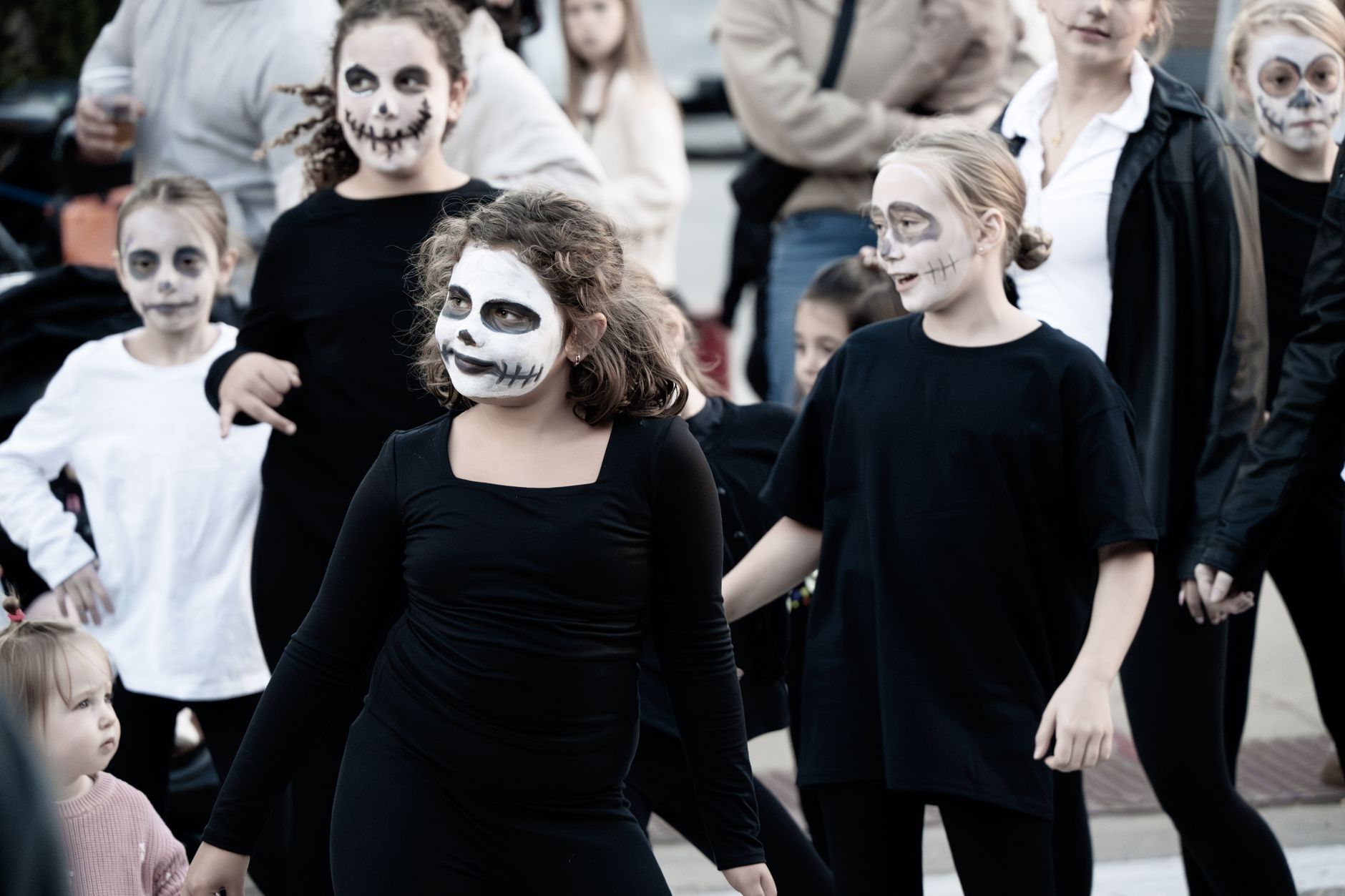
Halloween face paints put colour directly onto children’s skin, often around the eyes and mouth. Yet a seasonal, low-cost, or costume-kit product still falls within the scope of cosmetics legislation when placed on the EU or Northern Ireland market.
In October 2026, Ireland’s Health Products Regulatory Authority (HPRA) urged parents, guardians, and buyers to take extra care when purchasing children’s face paints and other Halloween cosmetics. The warning is equally relevant for brand owners, importers, and responsible persons. Selling safe Halloween face paints for children is not a seasonal option; it is a regulatory requirement.
Why children’s Halloween face paints are a surveillance priority
Face paints are leave-on cosmetic products applied directly to the skin. For children, the safety assessment must reflect realistic use, including application to sensitive areas and the greater likelihood of ingestion through hand-to-mouth contact.
Market surveillance authorities pay close attention to these products ahead of Halloween because demand increases sharply and short seasonal supply chains can introduce non-compliant or counterfeit goods. The HPRA’s latest communication shows that targeted checks can uncover real safety issues in this category.
What the HPRA market surveillance found
As part of its targeted, risk-based market surveillance programme, the HPRA sampled 40 individual face paint products over the past two years. Seven of those sampled products were found not to comply with EU cosmetic requirements and were removed from the Irish market.
The authority has been clear that these figures relate to selected products. They should not be interpreted as representing the overall level of compliance across the market. However, the findings highlight why due diligence matters at every stage of the supply chain.
Surveillance activities also identified cosmetic products containing restricted or undesirable substances, including elevated levels of heavy metals such as lead. The HPRA notes that exposure to lead should be minimised, particularly for children. This is a serious reminder that visual appearance and packaging alone do not guarantee safety.
Warning signs of a non-compliant product
The HPRA advises consumers to look carefully at product presentation before buying face paints for children. Several warning signs may indicate a non-compliant or counterfeit cosmetic.
- No complete list of ingredients on the label or packaging.
- Poor-quality or incomplete labelling.
- Spelling errors or inadequate safety information.
- Poor packaging that does not protect the product or display information clearly.
- Unusually low prices, including for multi-component kits.
- Missing information identifying the Responsible Person and their address within the EU.
For regulatory professionals, these signs are also useful red flags when assessing a supplier or a new seasonal product line.
How to purchase safe Halloween face paints for children
According to COSlaw.eu’s coverage of the HPRA seasonal warning, buyers should purchase only from reputable sources supplying EU-compliant cosmetics. Seasonal products such as Halloween face paints remain cosmetics and must meet the applicable regulatory and safety requirements when placed on the EU market.
Consumers should also follow the instructions and warnings on the packaging. Simple label checks can help identify products that are more likely to be compliant, but they do not replace the need for a robust compliance file behind the product.
For a cosmetics business, purchasing safe Halloween face paints for children means verifying more than the retail presentation. It means confirming that the product has a clearly identified Responsible Person, complete labelling, and a supply chain that can support compliance documentation.
The Responsible Person remains central to EU compliance
The HPRA draws attention to an important regulatory requirement: cosmetic product packaging should contain clear information identifying the Responsible Person. This entity is responsible for ensuring that the cosmetic product placed on the market is safe and complies with the EU Cosmetic Products Regulation.
The Responsible Person must be established in the EU, the European Economic Area, or Northern Ireland. This requirement is particularly important for imported seasonal products, where missing or unclear Responsible Person details can be an early signal of a non-compliant supply chain.
For brand owners, the HPRA reminder aligns with practical support such as a cosmetic responsible person service, which can help confirm whether labelling and documentation are complete before products reach the market.
What this means for cosmetics businesses and brand owners
Halloween face paints may be on the market for only a few weeks, but the compliance obligations are the same as for any other cosmetic product. Importers and brand owners should not assume that a short selling window reduces the need for proper product information or supply chain control.
The HPRA communication demonstrates how market surveillance can identify and remove products that do not meet applicable requirements. It also reinforces the importance of reliable supply chains and appropriate product information. For businesses, the key lesson is to treat seasonal products with the same rigour as permanent lines.
Practical checks before a seasonal launch
Cosmetics businesses should use the HPRA warning as a checklist for Halloween ranges. The following actions can help reduce the risk of placing non-compliant children’s face paints on the market.
- Confirm that every product label includes a complete ingredient list and clear usage warnings.
- Verify that the Responsible Person name and EU, EEA, or Northern Ireland address appear on the packaging.
- Review packaging quality and multilingual labelling for the intended markets.
- Assess whether unusually low supplier prices are realistic for compliant cosmetics.
- Confirm that the supply chain can provide the necessary regulatory documentation before shipment.
- Monitor restricted substance requirements and avoid suppliers with incomplete technical information.
These checks are not exhaustive, but they align with the warning signs identified by the HPRA and help businesses move from reactive problem-solving to proactive compliance.
EU, EEA, and Northern Ireland market considerations
The HPRA warning applies to the Irish market, but the principles are relevant across the EU and EEA. Where a Halloween face paint is placed on the Northern Ireland market, the EU Cosmetics Regulation continues to apply and the Responsible Person must meet the relevant establishment requirement.
For companies distributing across multiple jurisdictions, the same product may be subject to different responsible person and labelling expectations depending on the market. The source material focuses on the EU, EEA, and Northern Ireland requirements, but businesses supplying other markets should verify the local rules separately.
Seasonal products often move through fast, fragmented supply chains. This is why confirmations about the Responsible Person, product information, and compliance status should be collected before the Halloween sales window, not after goods have already shipped.
What to monitor next
Market surveillance of children’s face paints is likely to remain active around seasonal peaks. Businesses should monitor HPRA communications and similar updates from other competent authorities for recurring issues such as incomplete labelling, missing Responsible Person details, and restricted substances.
Heavy metals and other undesirable substances are likely to remain an enforcement focus because children are considered a vulnerable consumer group. Brand owners should review their supplier documentation and avoid relying on visual checks alone.
In addition to monitoring enforcement trends, businesses should review any new seasonal products against the same internal compliance process used for standard cosmetic lines. If a product cannot be supported with clear information, it should not be placed on the market simply because the sales window is short.
Final takeaway
Safe Halloween face paints for children depend on complete labelling, a clearly identified Responsible Person, and a controlled supply chain. The HPRA warning shows that short seasonal products remain fully subject to EU cosmetics obligations, and businesses should treat them accordingly.
Check the label, verify the Responsible Person, and do not let a short sales window weaken cosmetic compliance controls.