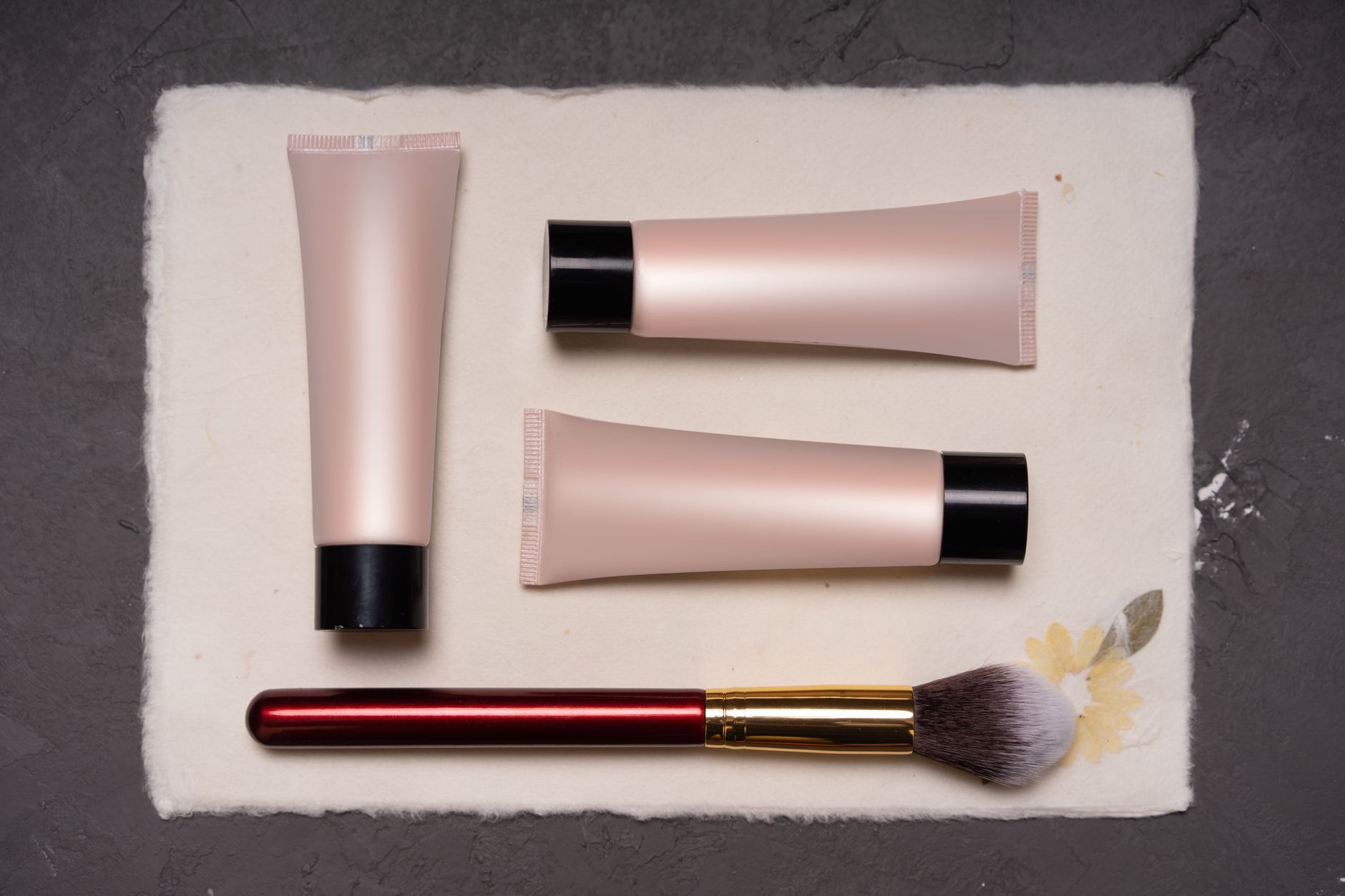
The skincare sector is now balancing two powerful forces: increasingly sophisticated formulations and rising expectations for packaging circularity. Active ingredients, sensitive actives and premium textures demand robust protection, while consumers and regulators look for reduced environmental impact. In this context, recyclable skincare packaging has moved from a nice-to-have feature to a core packaging requirement.
A recent Cosmetics Business packaging analysis explores this shift. It identifies airless dispensing, high-barrier materials and mono-material design as important tools for products that must protect, feel premium and remain recyclable.
Why recyclable skincare packaging is now a strategic priority
Premium skincare packaging has traditionally relied on layered materials to achieve barrier performance and visual impact. While these structures can provide excellent protection, they may be difficult to recycle in established streams because they combine different materials that are hard to separate.
That creates a tension for brand owners. They must preserve the functional and aesthetic expectations of prestige beauty while responding to growing pressure for packaging circularity. Recyclable skincare packaging therefore requires a deliberate design choice: it should protect the formula, feel premium in the hand and fit within recognised recycling systems.
This is especially important in categories such as serums, eye care, anti-ageing treatments and high-performance actives, where oxygen and moisture exposure can affect efficacy and shelf life.
The core challenge: balancing protection, aesthetics and circularity
Product protection is non-negotiable in skincare packaging. Airless technologies have become an important solution because they reduce the formula’s contact with air during use and help maintain integrity throughout the product life cycle.
However, protection does not stop inside the container. The dispensing interface also matters. Some airless systems include an orifice-closing mechanism that seals the opening between uses. This helps limit exposure to external influences, keeps the application area cleaner and supports reliable performance for sensitive actives over time.
At the same time, brand owners must consider how the pack looks and feels. Soft-touch finishes, high-quality decoration and refined printing remain important in competitive skincare categories. The challenge is to integrate these premium cues into packaging that can still be recycled.
How airless dispensing and mono-materials are closing the gap
High-barrier laminate structures have long been used to protect advanced skincare formulations. They help shield products from oxygen, moisture and other external factors that can compromise stability. But multi-layer packaging can present recycling challenges if the layers are not designed for end-of-life recovery.
A practical response is to combine airless functionality with mono-material tube structures based on polypropylene or polyethylene. These materials are more compatible with established recycling streams than many complex multi-material alternatives. The result is a packaging system that can deliver barrier protection and dispensing accuracy while supporting recyclability.
One example described in the source is the NeoDose dispensing platform from Hoffmann Neopac. NeoDose Pure is based on a polypropylene concept, while NeoDose Solo offers a polyethylene solution. Both are presented as airless dispensing systems integrated with recyclable high-barrier tube structures.
Why the dispensing mechanism matters
Airless packaging is not only about preserving the formula inside the pack. It also provides controlled, precise dispensing, which improves convenience and helps reduce product waste. For brands, this can support a more efficient consumer experience and reinforce the perception of a well-designed product.
Systems with a closing orifice add another layer of protection at the point of use. By keeping the dispensing opening sealed between applications, they reduce unnecessary exposure and help maintain hygiene throughout the use phase. This is particularly relevant for formulations containing active ingredients that require consistent protection.
Mono-material design for established recycling streams
Transitioning to mono-material structures is a practical way to improve recyclability without abandoning barrier performance. Rather than mixing several polymer types, brands can select a single polymer family and engineer the structure to deliver the required protection.
This matters because recycling systems are generally better able to process packaging that is designed for material consistency. For a skincare brand, choosing a polypropylene or polyethylene mono-material tube can simplify the pack’s environmental profile while preserving a high-end look and reliable function.
Compliance considerations for recyclable skincare packaging in the EU and UK
Packaging decisions increasingly sit alongside wider regulatory and sustainability obligations. In the EU and UK, policy direction is moving toward greater packaging circularity and waste reduction, even if the detailed rules differ between markets.
For responsible persons, importers and brand owners, packaging should be considered within product compliance documentation. The pack is part of the product system that supports stability, safety and shelf-life information. A change to packaging materials or dispensing technology may require a reassessment of product performance data.
Safety assessors should also be informed of packaging changes because the pack contributes to the overall safety and stability assessment. Compatibility between the formula and the container can influence product quality over time.
It is equally important that environmental claims around recyclability are technically supported. A mono-material tube or recyclable component should be assessed in the context of the whole pack, including closures, labels and decoration, because small components can influence recycling behaviour.
For companies navigating EU and UK requirements, working with regulatory experts can help align packaging choices with broader cosmetic compliance obligations. This is where services such as EU and UK cosmetic compliance support can provide practical guidance on product documentation, safety assessments and regulatory alignment.
Practical steps for brands and packaging developers
Brands should not treat packaging sustainability and product protection as separate workstreams. A structured review can identify where the current pack creates unnecessary complexity or where a simpler material structure could improve recyclability.
Key actions to consider include:
- Map the current packaging structure and identify multi-material elements that may limit recyclability.
- Evaluate whether airless dispensing is appropriate for the formulation and whether an orifice-closing mechanism would add protection.
- Compare polypropylene and polyethylene mono-material options against the required barrier performance and shelf-life data.
- Test the full pack, including closures, labels and decoration, rather than assessing only the main body.
- Review product stability and safety documentation when packaging changes are planned.
- Align packaging claims with technical evidence and confirm they reflect the real-life recycling pathway.
For premium skincare, the consumer experience must remain central. Recyclable skincare packaging should still look and feel consistent with the brand’s positioning. Soft-touch coatings and decorative techniques can be used, but they should be evaluated for their impact on recyclability.
What brands should monitor next
The source development points to a broader shift in packaging innovation. As sustainability requirements continue to evolve, the industry is likely to focus more on solutions that combine technical performance with circularity.
Brands should monitor how packaging suppliers are improving mono-material barrier performance, how recycling infrastructure is adapting to different tube formats, and how EU and UK policy expectations around packaging circularity are developing. These factors will influence future format choices and environmental communication.
In the premium segment, the brands that succeed are likely to be those that treat packaging as an integrated system rather than a container. That means evaluating dispensing technology, material structure, decoration, labelling and end-of-life performance together.
Protection, premium feel and recyclability can work together
The assumption that premium skincare packaging must sacrifice recyclability for protection is being challenged. Airless dispensing, high-barrier mono-materials and thoughtful design details are making it possible to protect sensitive formulas while supporting established recycling streams.
For manufacturers, brand owners, importers and responsible persons, the practical task is to verify that the selected packaging performs across all three dimensions. A well-specified pack should maintain product quality, meet the expectations of prestige beauty and offer credible recyclability.
As packaging innovation continues, recyclable skincare packaging will move from a point of difference to an expected technical standard. Brands that build packaging evaluation into product development early will be better placed to manage regulatory, environmental and consumer expectations.
Recyclable skincare packaging requires system-level design that protects active formulas, supports premium appeal and fits real recycling streams.